Wide feetHow to
Sneakers for Bunions: What to Look For in a Shoe
What sneakers for bunions should have, from foot doctors' guidance: a wide, deep toe box, soft sole and low heel, what to avoid, and when to see a podiatrist.
We earn from qualifying purchases through links on this page. How we make money.
Fit sheet
- Toe box
- Wide and deep; avoid narrow toe boxes
- APMA
- Shoe features
- Wide insteps, broad toe boxes, soft soles, stability
- AAOS
- Heel
- Wide shoes with a low heel and soft sole
- NHS
- Can shoes fix a bunion?
- No; they can ease pain, not remove it
- NHS
From the makers' own size charts and the sources listed at the end of this page.
Sneakers for bunions should have a wide, deep toe box, a soft sole and a low heel. APMA recommends a wide and deep toe box, AAOS adds wide insteps and soft soles, and the NHS advises wide shoes with a low heel. The right shoe can ease pressure, but it cannot remove a bunion.
This page covers general fit guidance from foot health groups. It is not medical advice. If a bunion hurts, see a podiatrist.
What is a bunion?
AAOS describes a bunion as a painful bony bump on the inside of the foot at the big toe joint. APMA notes that a smaller version can form on the outside of the foot at the little toe, called a bunionette or tailor’s bunion.
The bump sits at the side of the forefoot, so a shoe that is tight there rubs on it with every step. That is why the advice below focuses on room across the front of the shoe.
What should a sneaker for bunions have?
Three foot health groups give closely matching advice. This table lines up what each one says.
| Feature | What the source says | Source |
|---|---|---|
| Toe box | Wear shoes with a wide and deep toe box | APMA |
| Toe box and instep | Choose wide insteps and broad toe boxes | AAOS |
| Sole | Soft soles, with plenty of stability | AAOS |
| Width and heel | Wide shoes with a low heel and soft sole | NHS |
| Toe box shape | A square or round toe box lets the toes lie flat | AAOS |
In a sneaker, that points to a shoe in a wide width or with a roomy toe box, a cushioned sole, and a flat or low heel. None of these sources names a particular upper material, so judge the upper by feel: nothing should press on the joint when you stand and walk.
What should you avoid?
The same sources agree on what makes bunions more painful:
- Narrow toe boxes. APMA says to avoid them.
- Shoes that are too short, tight or sharply pointed. AAOS lists all three.
- High heels. AAOS says to avoid heels higher than a couple of inches, because higher heels put more pressure on the forefoot. The NHS also says not to wear high heels or tight, pointy shoes.
AAOS also warns that, over time, high heels with a narrow toe box can make the foot take the shape of the shoe, leading to problems like bunions, hammer toes and corns.
Wide width, wide toe box, or both?
A wider width gives room across the whole forefoot. A wide toe box gives the toes room to spread. APMA’s advice centers on the toe box, while AAOS names both broad toe boxes and wide insteps, so a shoe with both covers each group’s advice.
If a shoe does not come in a wider size, AAOS suggests a different brand with a wider toe box rather than going up a size. Learn the letters in the shoe width chart, and compare foot-shaped fronts in wide toe box shoes.
Roomy walking sneakers with wide toe boxes
Live listings, shown by eBay
Opens eBay in a new tab. Check condition, seller feedback and returns.
When should you see a podiatrist?
Safety
APMA says that if you think you have a bunion, you should see a podiatrist, because bunions tend to get larger and more painful if left untreated. The NHS says you cannot get rid of bunions or stop them getting worse yourself; shoes can only help ease the pain.
The NHS suggests getting medical help if:
- the pain has not improved after trying home treatments for a few weeks;
- the pain is stopping you doing your normal activities;
- your bunions are getting worse;
- you have bunions and diabetes, since foot problems can be more serious with diabetes.
Fit tips when you shop
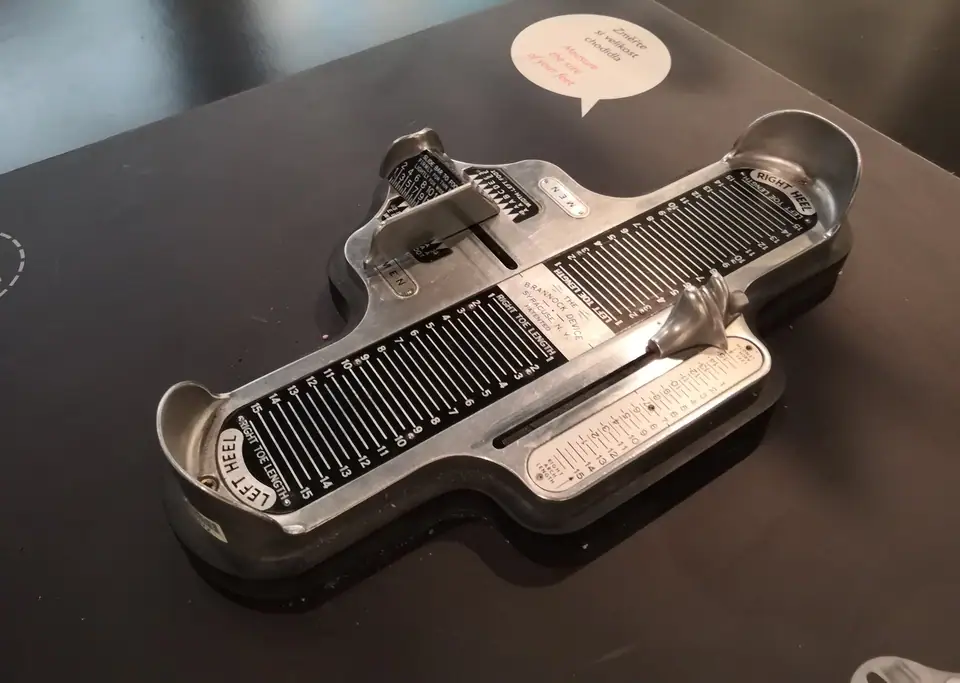
APMA says to measure both feet late in the day and shop for the larger foot. Bring the socks you will wear, and walk around before you buy. APMA adds that if a shoe does not feel comfortable right away, breaking it in will not make it better.
Women looking for wide styles can start with wide shoes for women, and anyone who needs more room than a standard wide can read extra wide shoes. The wide feet guide covers fit for every wide foot.
Frequently asked questions
What kind of sneakers are best for bunions?
Sneakers with a wide, deep toe box, a soft sole and a low heel. APMA recommends a wide and deep toe box, AAOS lists wide insteps, broad toe boxes, soft soles and stability, and the NHS says wide shoes with a low heel and soft sole.
Can the right shoes get rid of a bunion?
No. The NHS says you cannot get rid of bunions or stop them getting worse yourself, though the right shoes and other steps can ease the pain. A podiatrist or doctor can explain the options.
When should I see a podiatrist about a bunion?
APMA says to see a podiatrist if you think you have a bunion. The NHS adds to get help if the pain has not improved after a few weeks of home care, stops your normal activities, is getting worse, or if you have diabetes.
Sources
- BunionsAmerican Podiatric Medical Association
- BunionsAmerican Academy of Orthopaedic Surgeons (OrthoInfo)
- Shoes: Finding the Right FitAmerican Academy of Orthopaedic Surgeons (OrthoInfo)
- BunionsNHS
- Balance-Boosting Footwear Tips for Older PeopleAmerican Podiatric Medical Association
Filed under Wide feetStart with Shoes for Wide Feet: How to Find Sneakers That Fit